- What motivated you to choose the English-language medical programme specifically in Mostar, and to what extent did your expectations align with the actual experience? Ultimately, what was the deciding factor in making that choice, and how have your expectations evolved throughout the course of your studies?
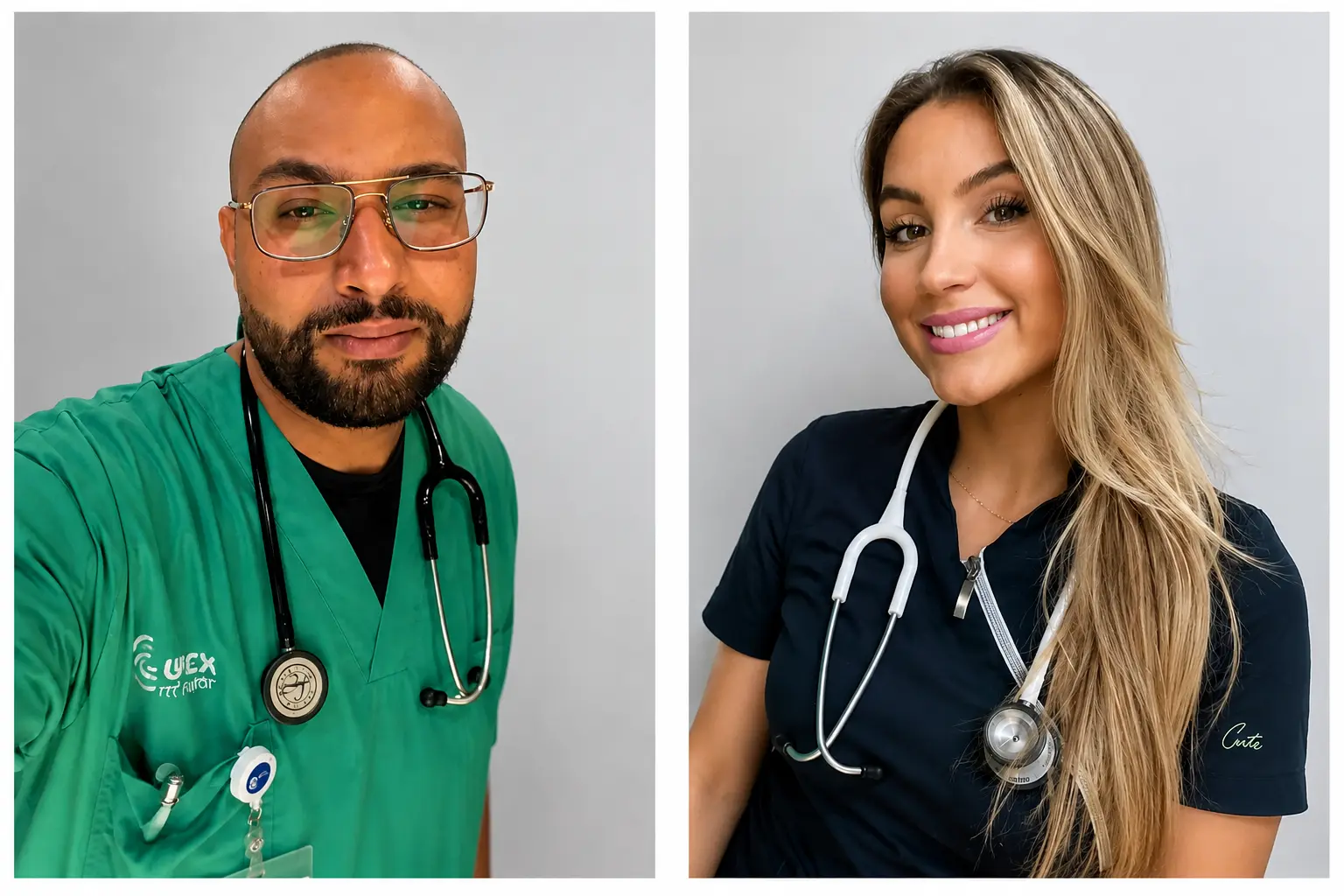
Ibrahim: After completing the pre-clinical part of my medical studies in Germany, I was looking for an English-language programme where I could continue my education and eventually graduate as a physician. The Medical Studies in English programme in Mostar offered that opportunity in a supportive and student-friendly environment. My initial expectation was to receive a solid medical education and gain meaningful clinical experience. Being part of the first generation of graduates gave us the opportunity to help shape the programme while building a strong sense of community. Over time, my focus evolved from simply earning a medical degree to developing the clinical skills and confidence needed for an international medical career.
Felicitas: I had always wanted to live in this region, as I had travelled extensively in other parts of the world but had never experienced this region firsthand. Positive stories from family members and childhood friends who had spent time in in Croatia and BiH also sparked my interest. Initially, I was unsure how I would adapt to a new country and culture, but those concerns disappeared very quickly. The people in Mostar were incredibly welcoming, friendly, and generous. I immediately felt included and was impressed by how eager people were to share their culture and make me feel at home in their city! I was always invited to coffee or dinners from my neighbours and landlord and local friends 🙂
- How do you look back on your student years in Mostar today? What stands out most fondly in your memory — is there a particular moment, course, or professor you would single out? What did you find most challenging, and what did you enjoy the most during your time as a student?
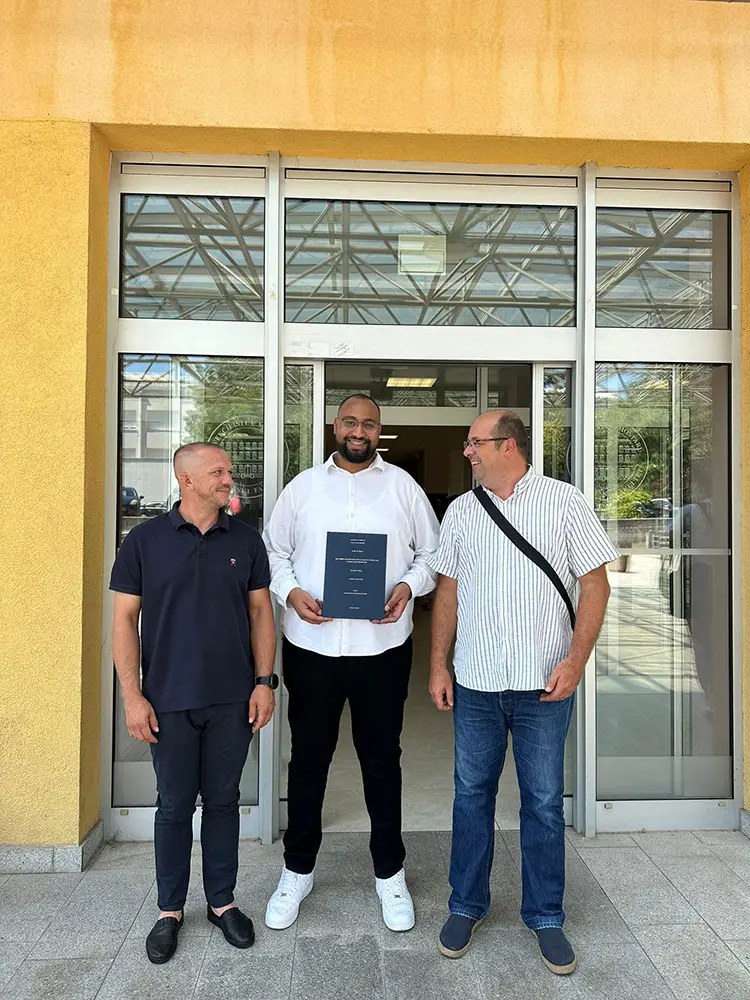
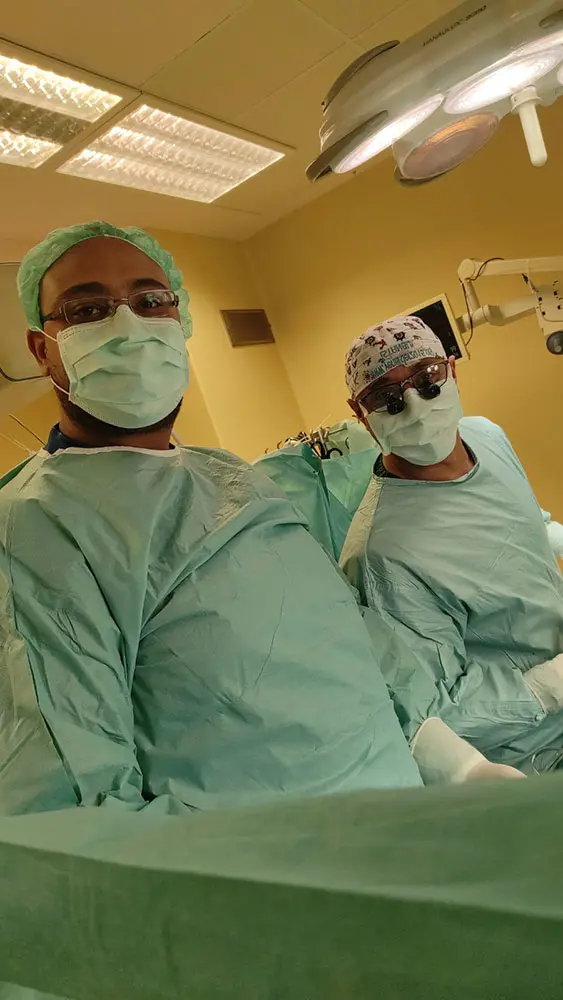
Ibrahim: I look back on my years in Mostar with great appreciation. What stands out most is the strong sense of friendship and teamwork among students and the close relationships we built with our professors. One mentor who had a particularly strong impact on me was Professor Josip Mišković, who supervised my graduation thesis and later mentored me during a thoracic surgery internship. The most challenging part was balancing the demanding workload of medical school, while the most rewarding aspect was the transition from theoretical learning to direct patient care during the clinical years.
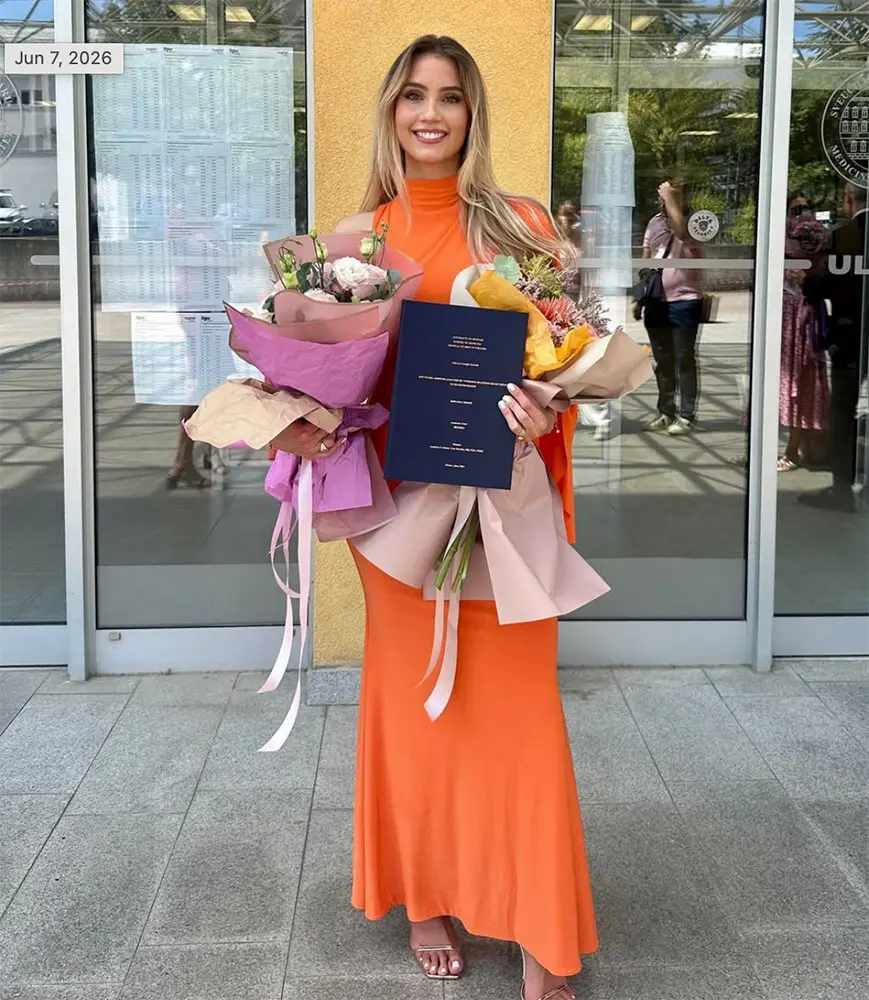
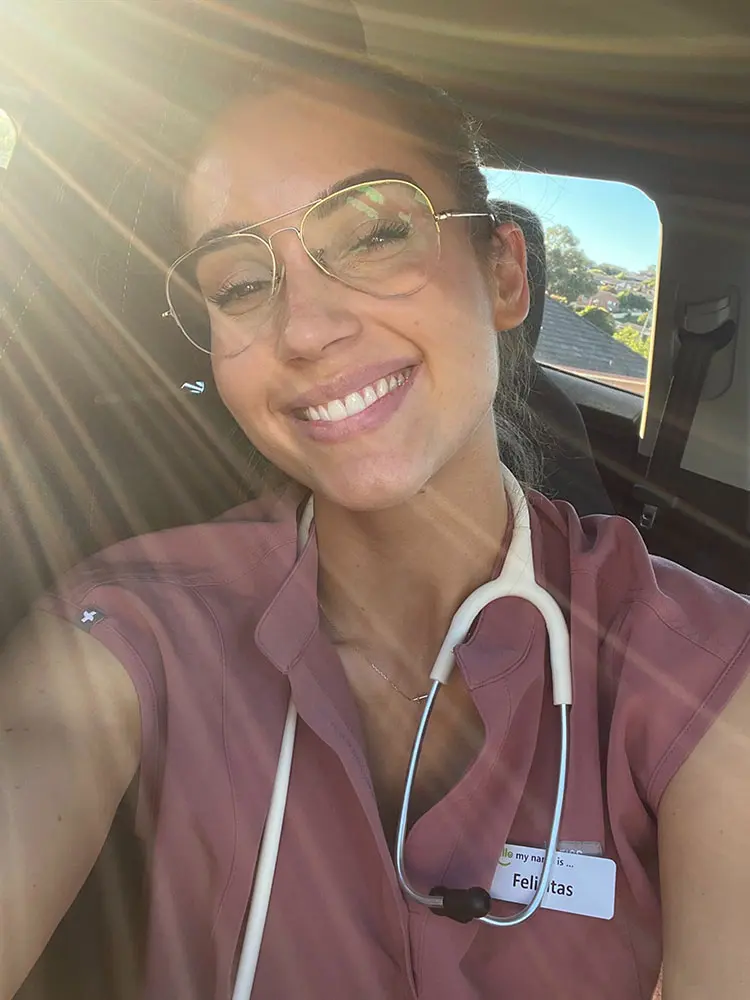
Felicitas: I look back on them very fondly. What stands out most is the balance between studying and enjoying life. There was a positive, relaxed atmosphere, strong support within the student community, great food, great music, and countless memorable moments with friends. One of my favourite parts was being able to take spontaneous weekend trips to the coast. Looking back, it was a wonderful combination of academic growth, personal development, and unforgettable experiences.
- How did you spend your free time in Mostar, outside of your studies? Are there specific places, activities, or daily routines that particularly defined your life there? What did you find hardest to adjust to?
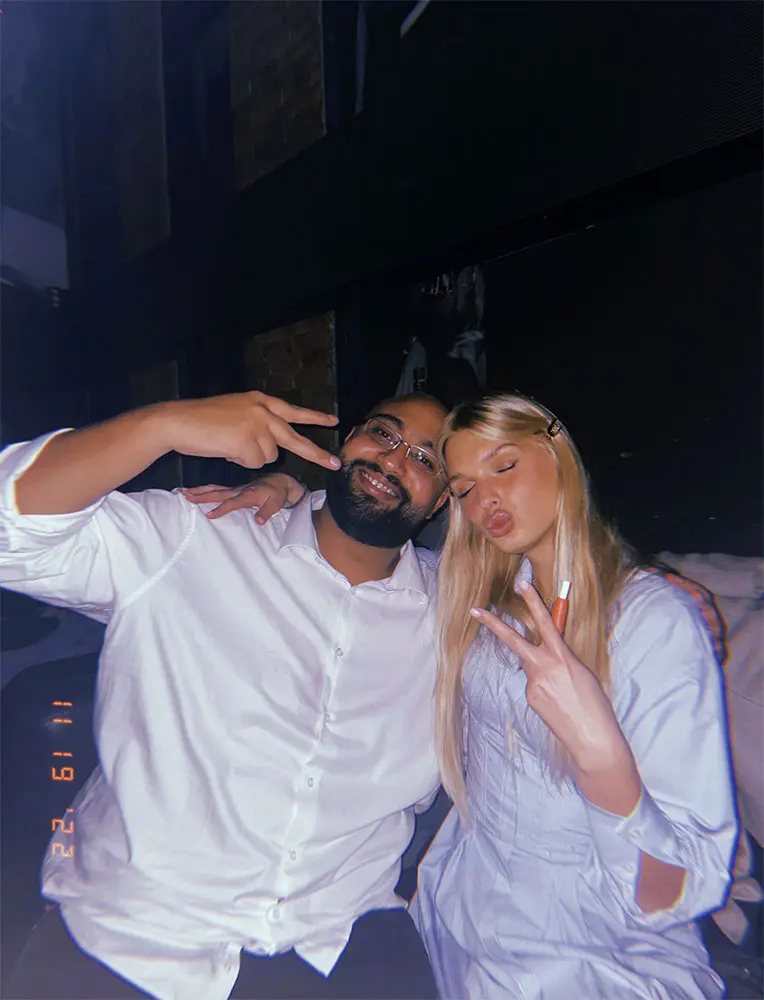
Ibrahim: Mostar offered a great balance between studying and enjoying life outside of medicine. Much of my free time was spent with friends, whether in cafés, restaurants, or enjoying the local nightlife. One of the biggest advantages of studying in Mostar was its location, which allowed us to explore the Balkans and travel throughout Bosnia and Herzegovina and Croatia during weekends and holidays. These experiences made my student years especially memorable. As an international student, adapting to a new country and educational system was initially challenging, but it ultimately helped me become more independent and adaptable.
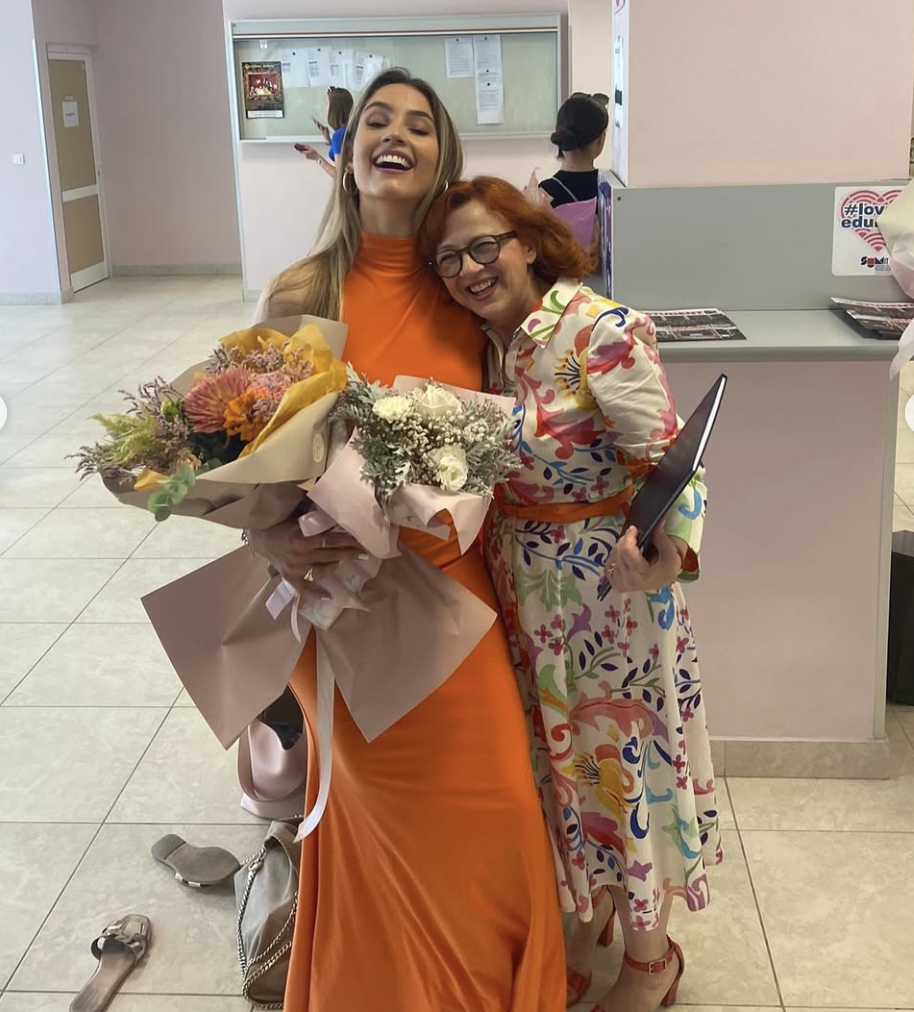
Felicitas: A lot of my free time was spent drinking coffee and also at Arena Gym, where I met many of my closest friends including my best friend, who later became my kuma. I also loved hiking and exploring the beautiful nature around Mostar. Another highlight was travelling throughout BIH and neighbouring countries whenever I had the chance. If I could give one tip to future students, it would be to get access to a car if possible, as it makes exploring the region much easier and opens up so many opportunities for adventure.
- How would you describe your clinical experience during your studies, and do you feel that studying in Mostar gave you any distinct advantage over peers from other medical faculties? Can you recall a specific situation from your clinical practice that left a lasting impression and perhaps influenced the direction of your professional career?
Ibrahim: One of the major strengths of studying in Mostar was the close contact with patients and clinical staff. Because the clinical groups were relatively small, students had many opportunities to actively participate rather than simply observe. I believe this hands-on approach gave me confidence and practical skills that benefited me later in my career. My clinical rotations and research work, particularly my thesis on complicated appendicitis and my thoracic surgery internship, strengthened my interest in hospital-based medicine and evidence-based practice.
Felicitas: I felt that the programme provided a strong theoretical and practical foundation and valuable clinical exposure. Because student groups are very small you get a unique opportunity at practicing practical skills like suturing, assisting in theatre and intubation etc. One thing I particularly appreciated was how approachable the doctors and teaching staff were. Conversations felt very much on eye level, which encouraged students to ask questions and actively participate without feeling intimidated. I believe the clinical experience is very much what you make of it, so I would encourage students to be proactive, get involved, and learn some of the local language, as this makes interactions with patients and staff even more rewarding.
- What did your journey look like after graduation — from the recognition of your degree to securing your first working position? How much did your studies in Mostar contribute to that transition, and what advice would you offer to current students who wish to build a career abroad, or to those considering Mostar as the starting point of their medical education?
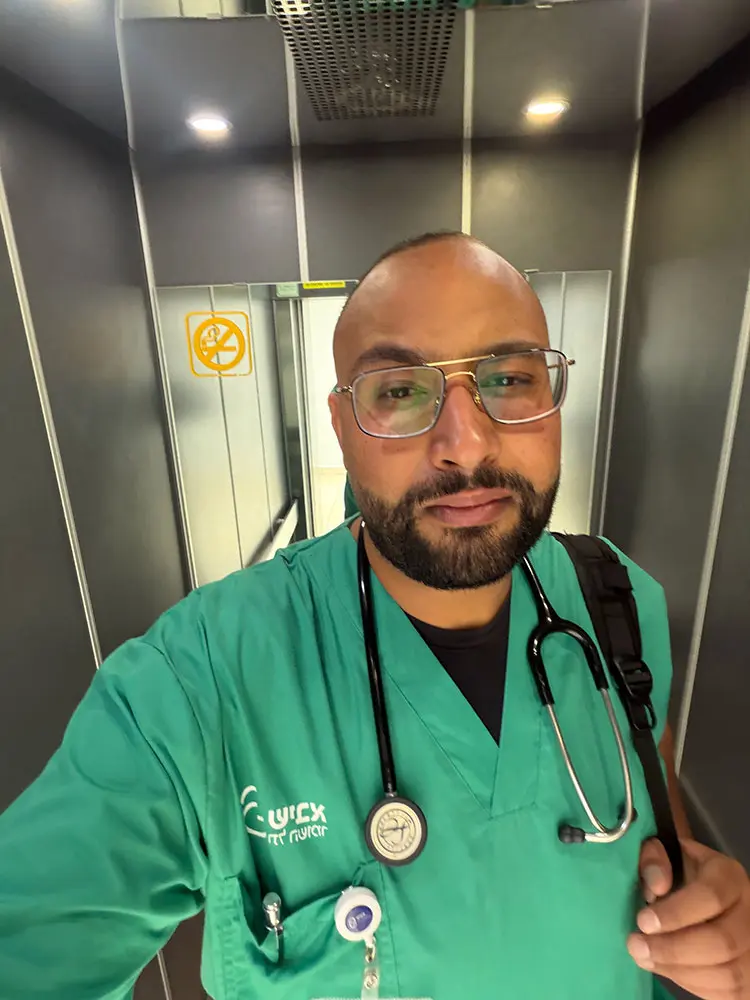
Ibrahim: After graduation, I went through the process of degree recognition and licensing before continuing my professional journey in Israel. I was fortunate to secure a medical internship position at Sheba Medical Center, an internationally recognized medical center that is consistently ranked among the top 10 hospitals in the world and is considered one of the leading healthcare institutions globally. The education I received in Mostar provided a strong clinical and academic foundation that helped me make this transition successfully.
My advice to current students is to focus on developing strong clinical skills, seek mentorship, and take advantage of every opportunity for practical experience. For students considering Mostar, I can say that it offers a supportive environment, valuable clinical exposure, and an excellent starting point for an international medical career.
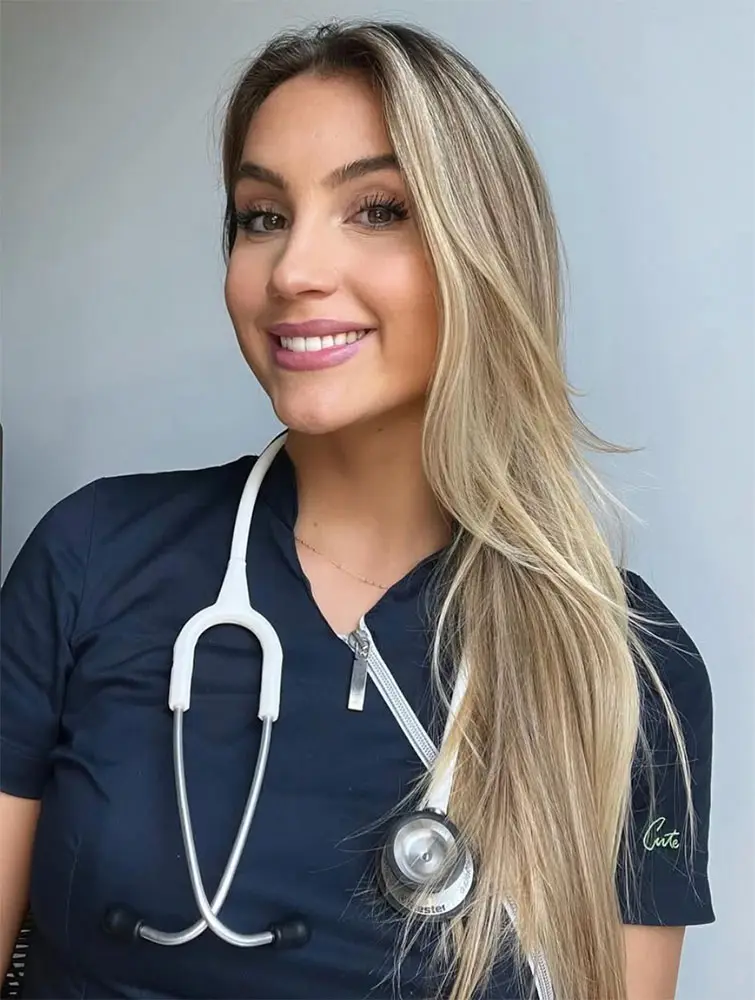
Felicitas: After graduating, I completed the state examination in Sarajevo and then spent about a year preparing for and passing the Australian Medical Council examinations. I now work as a doctor in Australia. My biggest advice is to make the most of every opportunity available outside the standard curriculum. Participate in as many BOHEMSA exchanges as possible, get involved in research projects and conferences, and seek additional clinical experiences during your holidays. These experiences helped me stand out on my CV and prepared me well for an international medical career. I would also encourage students to become confident in at least two languages, as language skills can open many personal and professional doors.
Thank you Mostar